
Teen Farm Fellows at Plenitud
Daisy, a 2026 Teen Farm Fellow, is going into junior year at Hartford High School. Her favorite vegetable is a cucumber.
This week we went on a trip to Plenitud Farm up in Newbury. During our time there, we learned about developing permaculture; it is a design framework that mimics the patterns and relationships found in natural ecosystems. The three main parts were: Planet Care, People Care, and Fair Share. They also explained the concept of “Observe and Act:”: 100 hours of observation for one hour of action. Incremental development is when you make small, continuous improvements. Slow development focuses on ecological balance, sustainability, and cultural preservation.
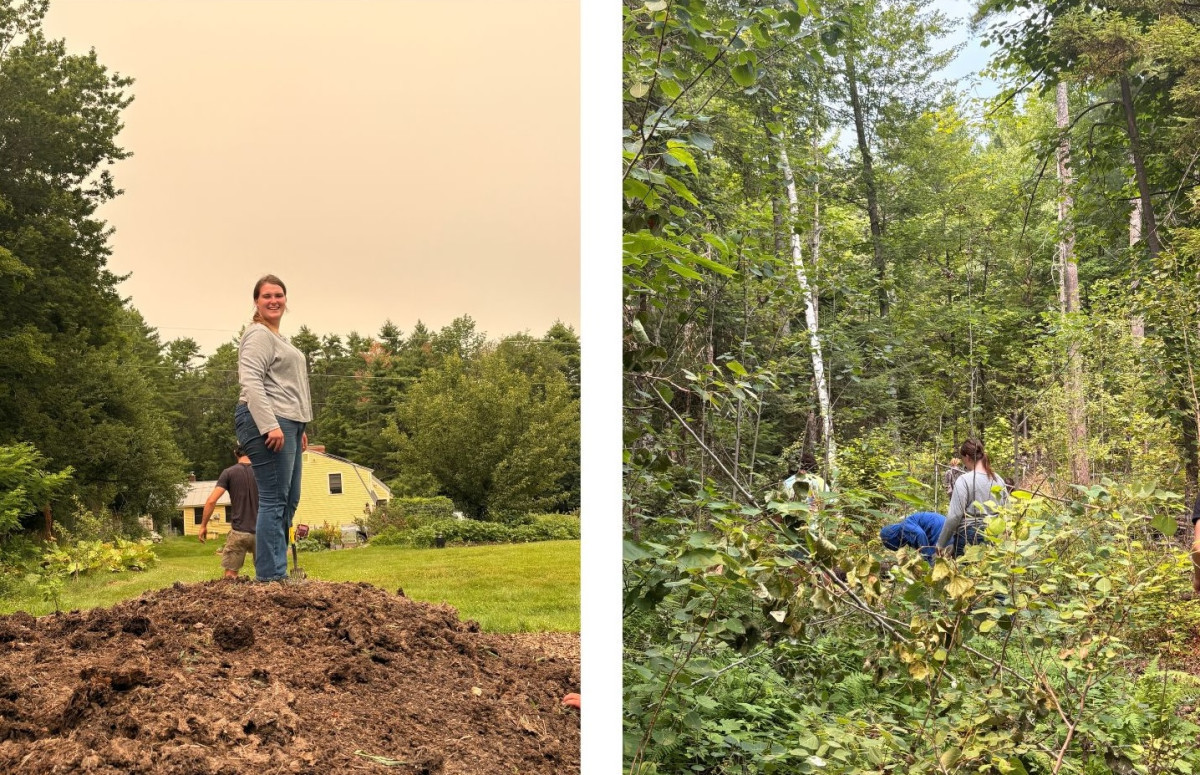
One of the most important things in permaculture is the energy zones; there are five different zones. Zone one is the most visited one, so it's the closest, almost every day. Zone two is where you visit once a week, zone three is every other week, zone four is once a month, and zone five is once or twice a year. We also did an activity where we were given a piece of paper with an area, and we had to use our imagination and planning to make a five-acre area to plant crops and have animals. Once we were all finished, we shared our designs. After that, we went into the woods and cleared sticks and logs off of a hiking trail.
_1200_767_90.jpg)
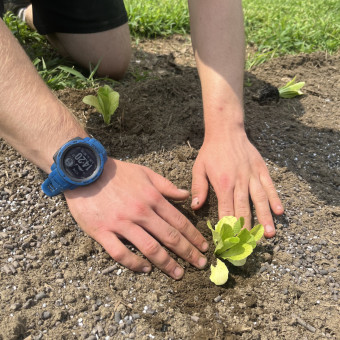
After having lunch, we went to Eric’s farm, which was just up the road. We learned how to chop and drop, which is cutting a piece of plant that you don’t want there and placing it in a plant bed. He only started his farm five years ago, and it just started as lawn. But he used a method to convert the soil into good planting grounds. He first plants potatoes and harvests them, then he plants garlic and harvests them, and finally he plants perennials, and at last the soil is good for planting. He explained a stacked function, which is when a plant has multiple uses; for example, he showed us that the kale was providing shade for the beets while the kale could still be eaten. He said that basil is a good pest repellent. He uses air pruning for his trees; it's these raised beds where there is mesh at the bottom, so as the roots grow and they reach the air, they stop and start to widen instead.