Teen Farm Fellows at Broad Acres Farm
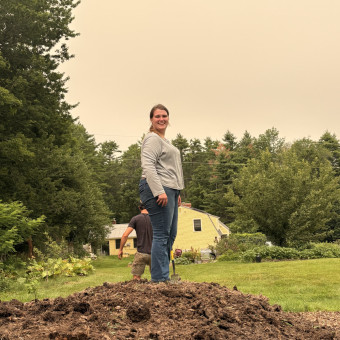
Dana is the Teen Farm Fellowship Lead and comes to the Upper Valley from Northern Michigan. After obtaining a degree in Nonprofit Administration and Environmental Studies, Dana has worked on a variety of different farms in Michigan, including urban youth farms, hydroponic, organic, and regenerative. In her free time, you can find Dana enjoying a hike or a swim, riding her bike, or taking a leisurely nap in a hammock.
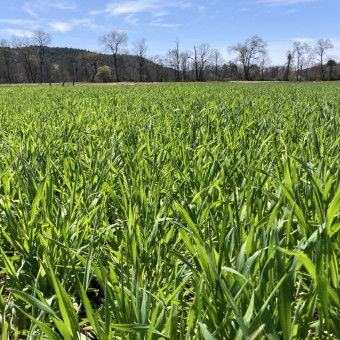
The first service learning trip for TFF 2026 was nothing short of enlightening. In the rocky mountainside of Vershire, Vermont, under the watchful eye of Mount Washington, there lies a hayfield and grassland called Broad Acres. In collaboration with White River Natural Resource and Conservation District, three fifth of the fellows and I loaded up on the Farm Force Bus and took in the beautiful sights of rural Vermont. When we arrived, we were given a brief introduction to the work we would be doing and the practices at Broad Acres.
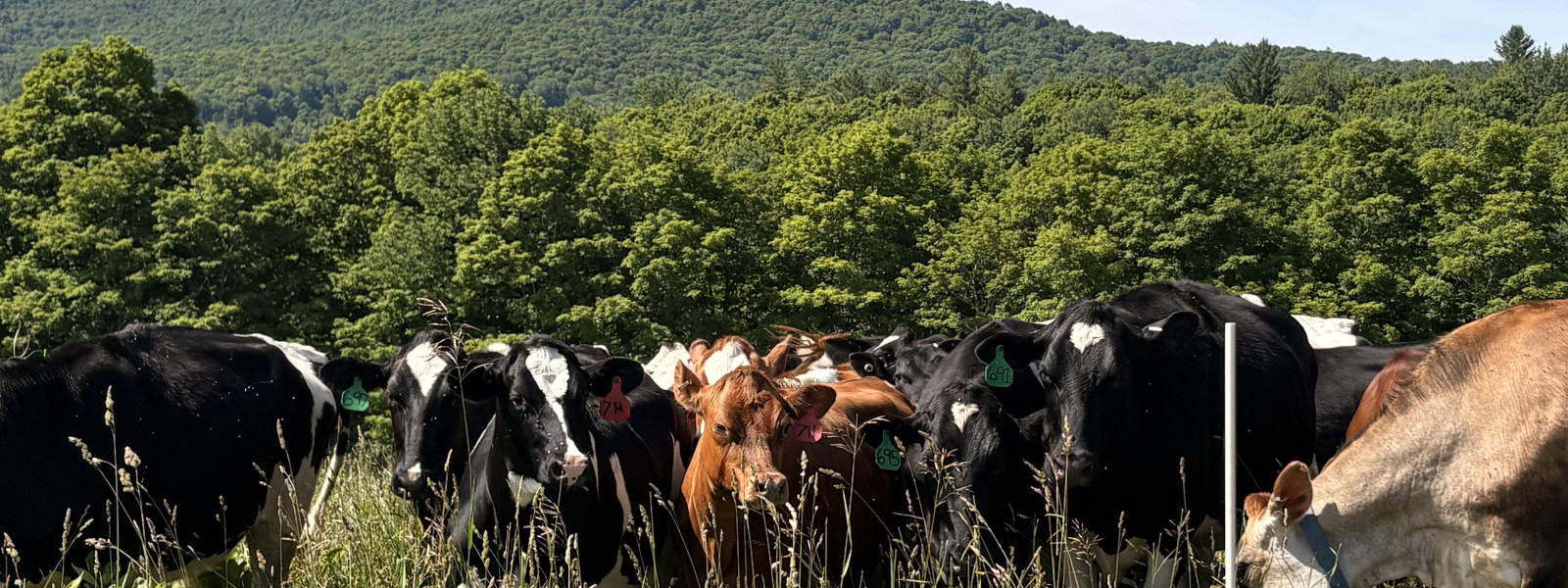
Broad Acres is like a Postpartum Cow Spa: In between birthing and nursing calves, the mothers are sent to graze on these rocky pastures for two months. This saves the home pasture for all of the nursing cows and their babies. The owners went through some of the grass and clover the cows enjoy, explaining that cow vetch is both legume and clover – which is like a steak for our bovine friends. Weeding and picking strawberries all spring and summer long, I am very familiar with cow vetch, and was excited to learn more about it outside of its pervasiveness in the strawberry fields.
The cows are rotationally grazed, and it was pointed out where the pastures had been in years prior. The owners of the land explained the “key-lined irrigation” system, which is ideal for their rocky terrain. Using a specific tractor implement, they were able to create an underground ditch to move water, with the help of gravity and momentum, from pasture to pasture. While it is not applicable to Cedar Circle’s flat farm, I was interested to learn about another way of irrigation.

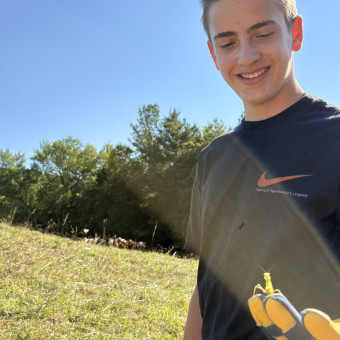
And we were off to work! We were planting shrubs, trees, and other natives alongside the electric fence of the pasture. But don't worry, they turned it off. The cows were watching to make sure we were doing everything correctly.
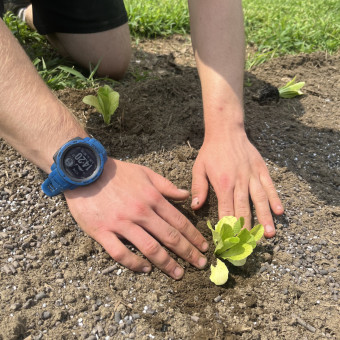
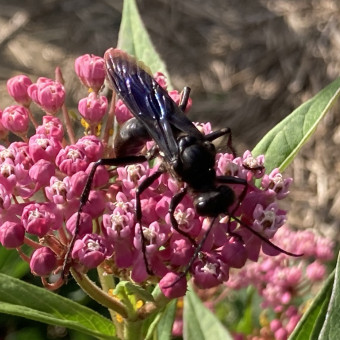
We planted Hazelnut, Dog Wood, and Chokecherries, to name a few. We helped finish the over 500 trees they planted on their property to become more pollinator-friendly. For the smaller shrubs and trees, we attached them to an assisting pole and put a sleeve over their young delicate leaves. We finished our trip by planting blueberries on the side of the driveway, which will make for excellent pollinators and a fun snack.
Everything we planted was in the aisle-way of the electric fence to keep the cows from chowing down. These natives and pollinators will support a more diverse ecosystem and help keep nutrients in the soil – which is important for a cow spa.
When we came back to Cedar Circle that afternoon we were wiped! But there are always more strawberries to pick. As a farmer, it's important to know that when you live with abundance, it is both a gift and a responsibility. I felt thankful to all the dairy cows in Vermont for being a part of this great abundance and honored to have made their little vacation a little more beautiful.