Digging into Research: Native Plants, Seeds, and Biodiversity
What’s our Research team digging into this spring?
As we face increasing climate uncertainty, it’s more important than ever that farming supports ecosystem resilience. Cedar Circle works toward this goal by prioritizing local ecotypes of perennial plants, and our Annuals & Perennials team has started the season by seeding hundreds of locally-collected perennial seeds.
Why does this matter?
Local ecotypes are native plants that have evolved over time to thrive in a specific region. Local pollinators, too, have evolved to have specific life cycle timelines, which rely on flowers blooming and nectar being available at certain critical junctures.
When the timing of flowers flowering and pollinators pollinating isn’t aligned, this mismatch may be damaging to both insect population levels and perennial reproduction.
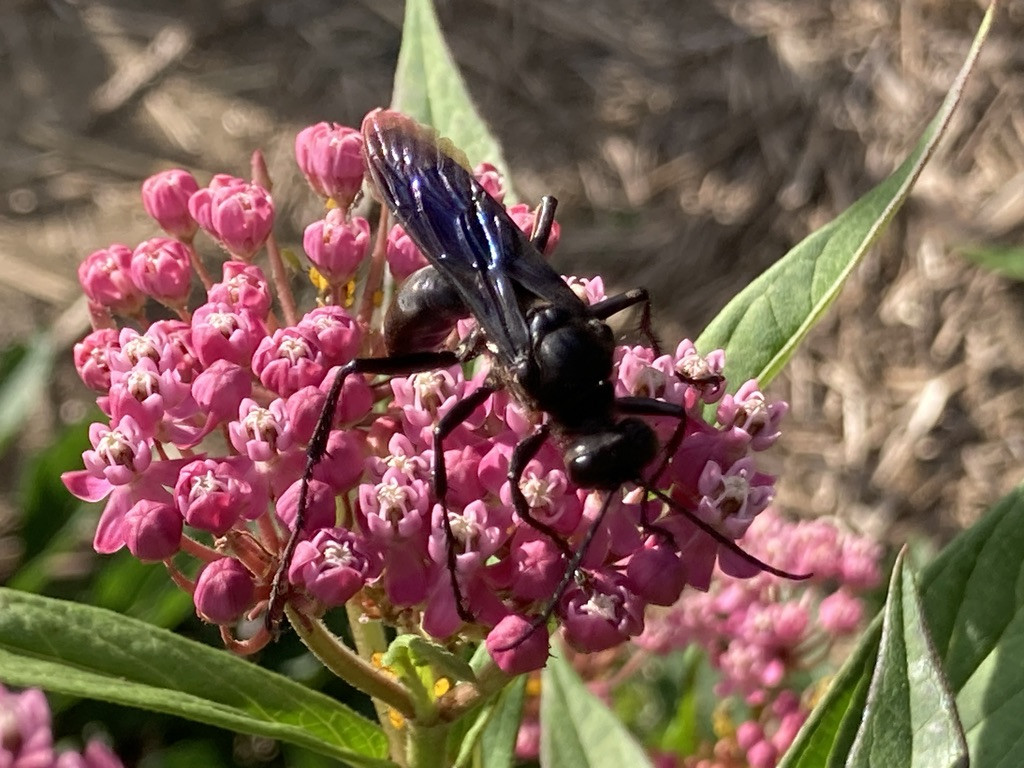
Expanding the availability of plants that have adapted alongside local pollinators – local ecotypes – helps avoid this mismatch, supporting species like this swamp milkweed (Asclepias incarnata) and its specialist pollinator wasp (Sphex pensylvanicus), along with many other key plants and insects.
How does this connect to research?
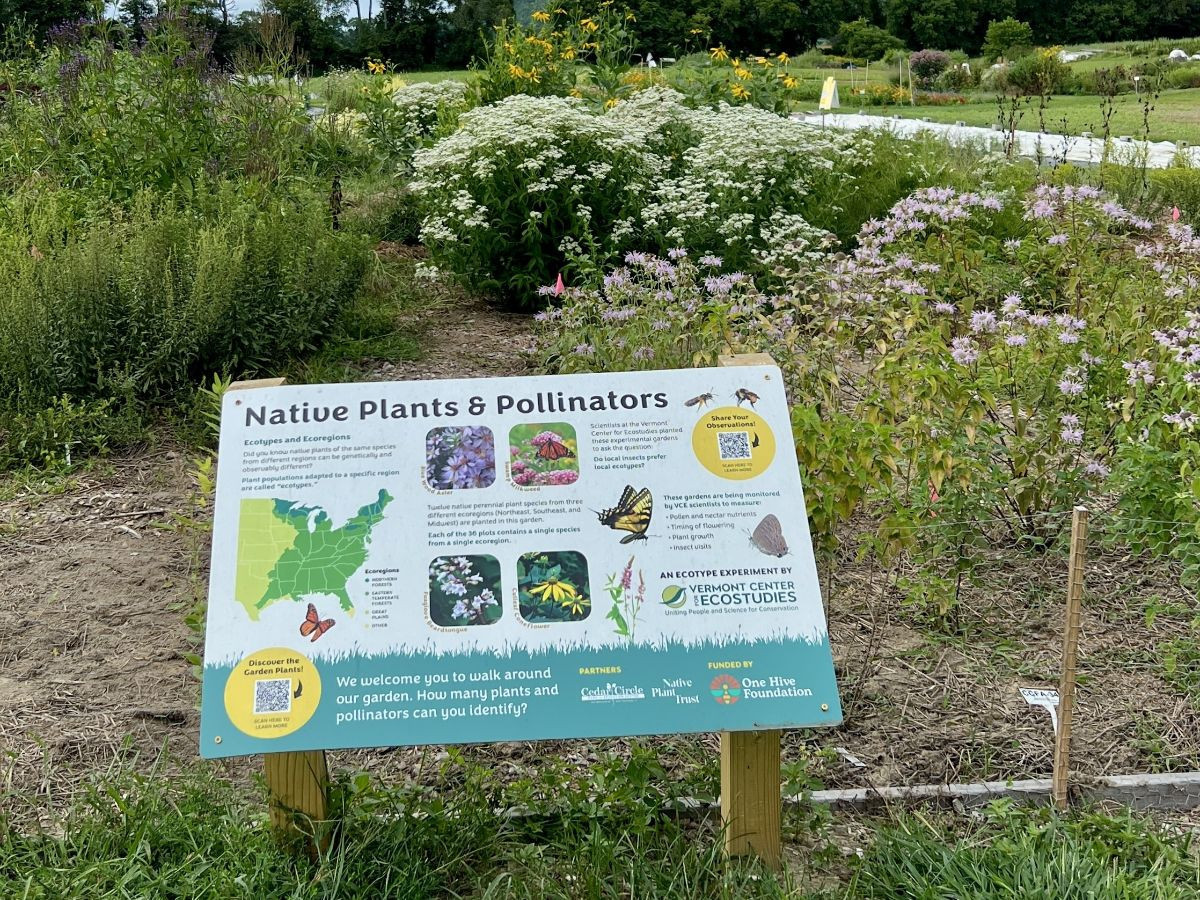
As a part of this work, we partnered with the Vermont Center for Ecostudies (VCE) in 2025 to serve as a field site for their native plant ecotype experiment, which compares growth and pollinator visitation for ecotypes from three North American regions.
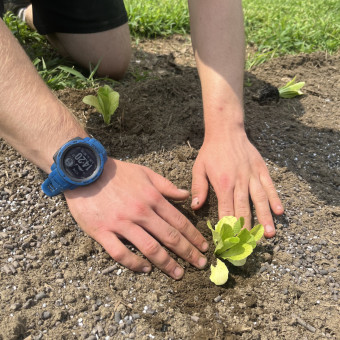
For this project, VCE Conservation Biologist Desiree Narango and Director of Conservation Scientist Ryan Rebozo planted out more than a thousand plants in six public gardens in the Upper Valley – including this one at Cedar Circle! You may have noticed the research plot on the far side of the Education Garden. You can learn more about the project here.
How else do we support the growth of local ecotype native plants?
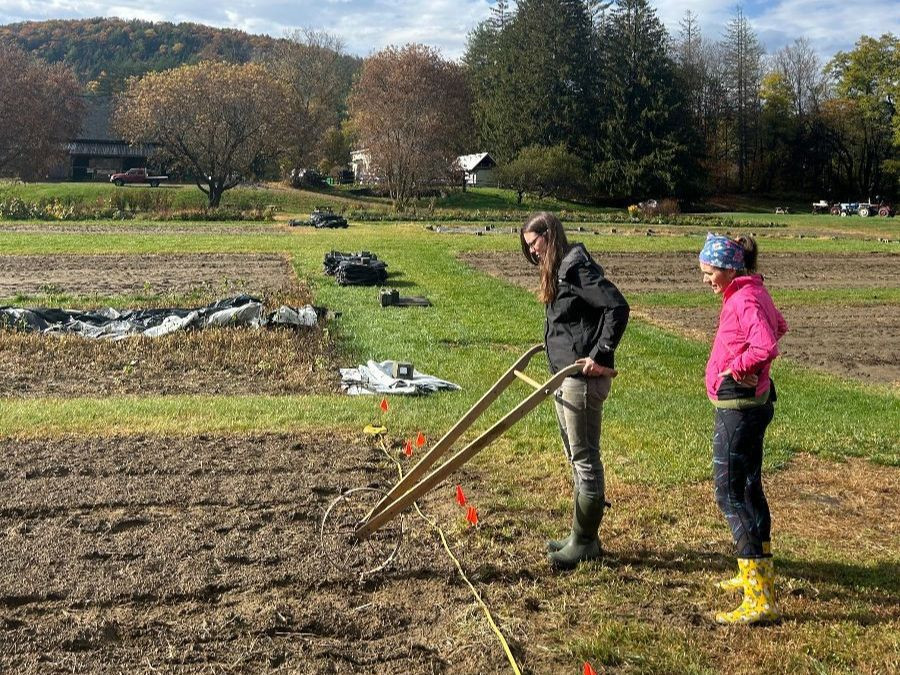
We’re also building out an exciting block of seed increase plots in collaboration with Tobi Schulman of Bird and Bee Native Plants and local seed collection partner Ginger Wallis, with the support of the One Hive Foundation. These plots consist of 200 or more individuals of the same species, which are grown together for the purpose of collecting their seeds. The collected seeds are then available to be distributed to gardeners and for use in restoration and conservation projects.
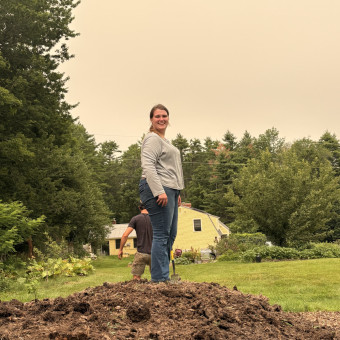
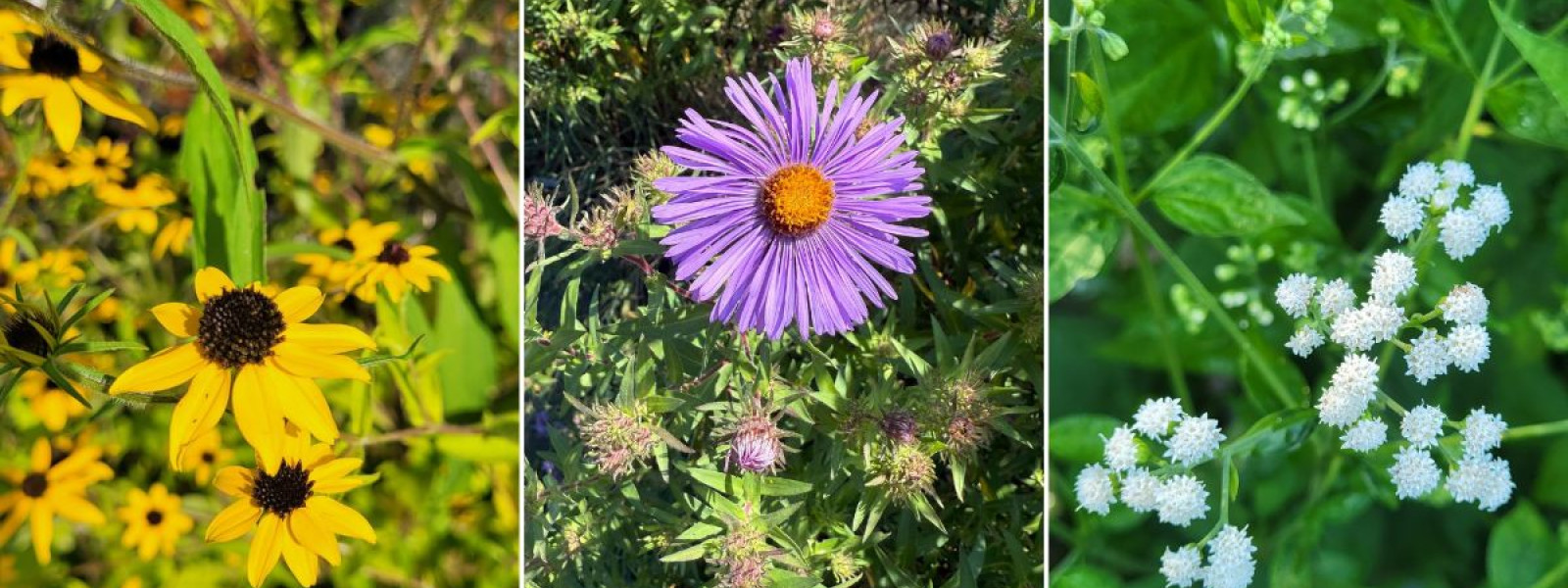
In October, our team established this plot of grass-leaved goldenrod (Euthamia graminifolia) and white meadowsweet (Spirea alba). This spring, they’ll bloom and be pollinated, and then we’ll collect their seeds in the fall. It can be challenging to find local seeds specific to our region, so we’re creating our own supply here in our seed increase plots. We’ll be able to make these seeds more widely available, and, as a plus for our community, to sell these plants in both the Cut Flower Garden and retail greenhouses.
How can you get involved?
Purchase & Plant: Local ecotype native plants will be marked and available for purchase in our nursery (open May 1). Take them home and spread the local love!
Watch & Learn: Celebrate Earth Day (4/22) with a special showing of The Extraordinary Caterpillar at the Nugget Theaters, hosted by the Hanover Garden Club and a group of community partners. This free, family-friendly event includes an expert panel and a drawing for caterpillar prizes (including one of our Native Perennial CSA shares!). Learn more here.
Walk & Talk: Sign up for Vermont Center for Ecostudies’ field trip to Cedar Circle (June 6, 10 a.m.–12 p.m.). You’ll hear from scientists working on native bee and local ecotype research projects located right on the farm. Find more information and register here (ticket by suggested donation).