Climate Action: At Home and in the Fields
It’s no surprise that climate change and agriculture are deeply intertwined. About a third of all human-caused greenhouse gas emissions are connected with the food system, while more extreme, unpredictable precipitation and rising temperatures make it more challenging to grow food.
In recognition of the International Day of Climate Action (Friday, Oct. 24!) and leading up to the United Nations Climate Conference of the Parties (COP) meetings in November, we’re exploring climate actions and how we can collectively play a bigger role in supporting real impact.
Below, we break down five ways we can work to reduce our negative impact on the global climate system:
1. Systems change: Advocating for systems change is a powerful way to tackle climate change. From transitioning to renewable energy and climate-smart farming, to cultural change around environmental conservation and resource distribution, policies for emissions mitigation and climate adaptation are critical. This can feel like an overwhelming problem to tackle, but small everyday actions at the individual level build the foundation and momentum towards greater systems change.
You can: Vote; donate; contact your elected officials; talk to people in your sphere of influence (relatives, friends, businesses you support) about these issues; educate yourself further about climate change and its impacts.
We can: Collaborate with organizations who advocate for climate-friendly food policy; make connections between the community and the land to generate awareness and action; do research that answers key questions, then translate this work into practice.
2. Reduce food loss and food waste: Wasted food accounts for a huge portion of emissions, and contributes to land degradation, biodiversity loss, and food insecurity. This loss occurs throughout the food supply chain, from farms to transport to stores and households. When we work together to eat what’s grown locally and in-season, we ensure that the extensive land, labor, and inputs required to grow fruits and vegetables here and elsewhere doesn’t go to waste.
You can: Shop and plan meals intentionally; eat seasonally; learn how to preserve, freeze, or otherwise use up extra produce; choose seconds or “ugly” produce that might otherwise be thrown out; compost; redistribute excess and share with others!
We can: Divert produce we aren’t selling to the farm kitchen; work with Willing Hands to route excess produce to community organizations; provide farm staff access to abundant crops; share information, education, and consistent local, seasonal, and fresh food in the farmstand.
3. Support resilient social-ecological systems: The Upper Valley isn’t isolated from the global increase in climate-related events. We’re seeing increased unpredictability and variability of precipitation and more frequent and intense weather events (like this season’s drought or heavy rainstorms). Making adjustments that support resilience in the face of these challenges matters for local ecosystems and food producers.
You can: Plant native plants to support native biodiversity; garden organically at home (stay away from harmful chemicals); let insect habitat persist through the winter rather than mowing plants that have died back (which also means less yard work for you!); increase biodiversity on your land by planting more species and varieties.
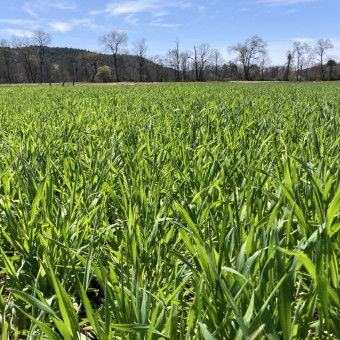
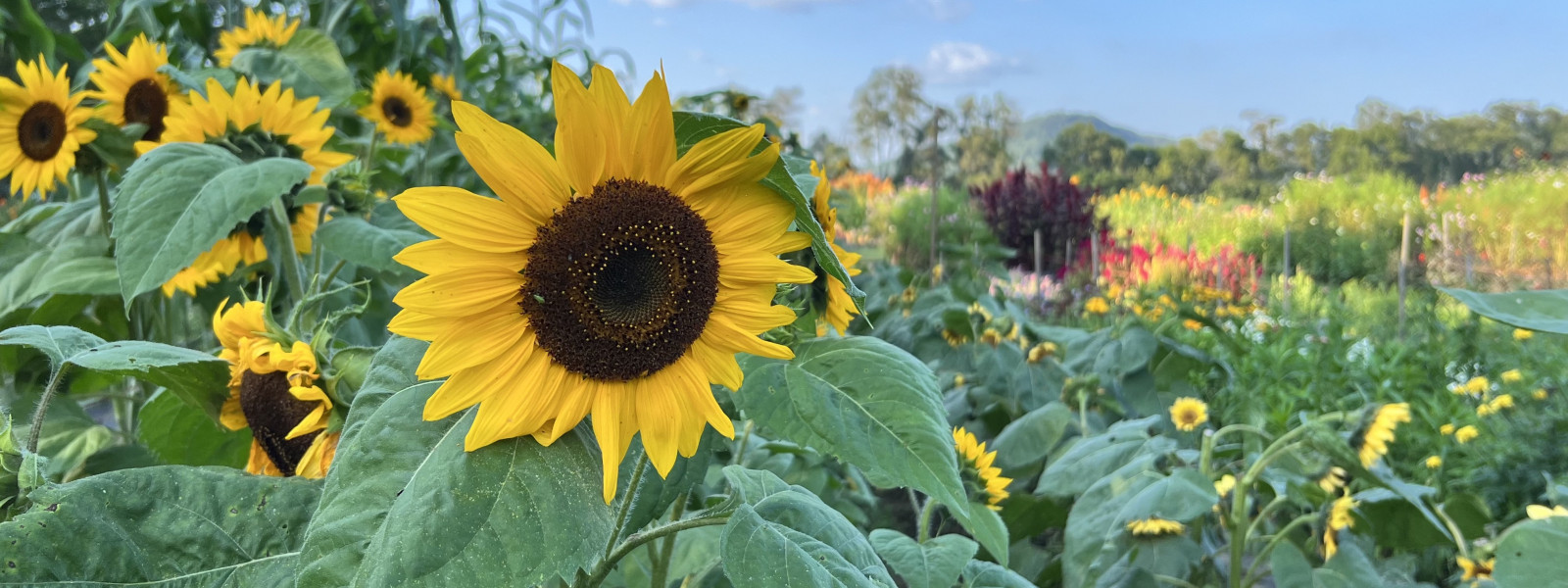
We can: Grow diverse crops and adaptive varieties; farm organically and use practices that optimize soil health and increase microbial diversity (organic amendments, cover crops, etc.); shift to native perennials in our Cut Flower Garden; spotlight and sell local ecotypes that support specialist pollinators.
4. Reduce plastic use: Because 99% of all plastics are made from fossil fuels, the entire process of plastic production is associated with high greenhouse gas emissions. Reducing our plastic use reduces our participation in this industry and lessens the plastic waste burden we put on the ecosystems that sustain us.
You can: Notice plastic use throughout your lifestyle and reduce or reuse where possible, even if it’s inconvenient (think to-go coffee mugs and reusable bags, but also plastic-based fibers in clothing and other products); buy in bulk to cut back on packaging and costs.
We can: Offer discounted bulk and wholesale options; encourage return of glass containers to the kitchen. Continue to move away from black plastic coverings in our fields (it’s an organic way to suppress weeds and keep the soil warm, but every season we see how much waste it produces. We’ve nailed down plastic-free cultivation for certain crops, but will continue to experiment with successfully growing other crops without tarping).
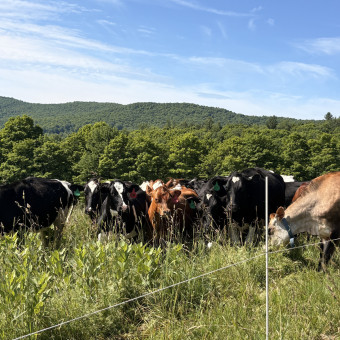
5. Be selective with meat consumption: Being intentional about the quality and quantity of animal products in our meals can make a difference in the environmental impact of our diet. Industrial meat production spurs deforestation, releases methane, carbon dioxide, and nitrous oxide, and generates pollution. Getting to know your meat producers and their practices, as well as learning how to make delicious and nutritious meals centered around non-meat protein sources, is a high-impact climate action.
You can: Substitute some meat in your diet for other protein sources like lentils, tempeh, or chickpeas; swap beef for a lower-emissions meat like poultry; seek out local and regional responsibly-produced meat; get to know local meat producers.
We can: Source responsibly-raised animal products for our farmstand; grow diverse, nutritious crops (fun fact: we used to sell our own dried beans here at the farm!).
We believe that the momentum needed to take bold action to protect our climate and environment starts at the micro-level, in our communities, kitchens, and farmstands. The more we talk about these issues and their impact on our lives, our food systems, and beyond, the more energy we’ll build together.