Researching Rye
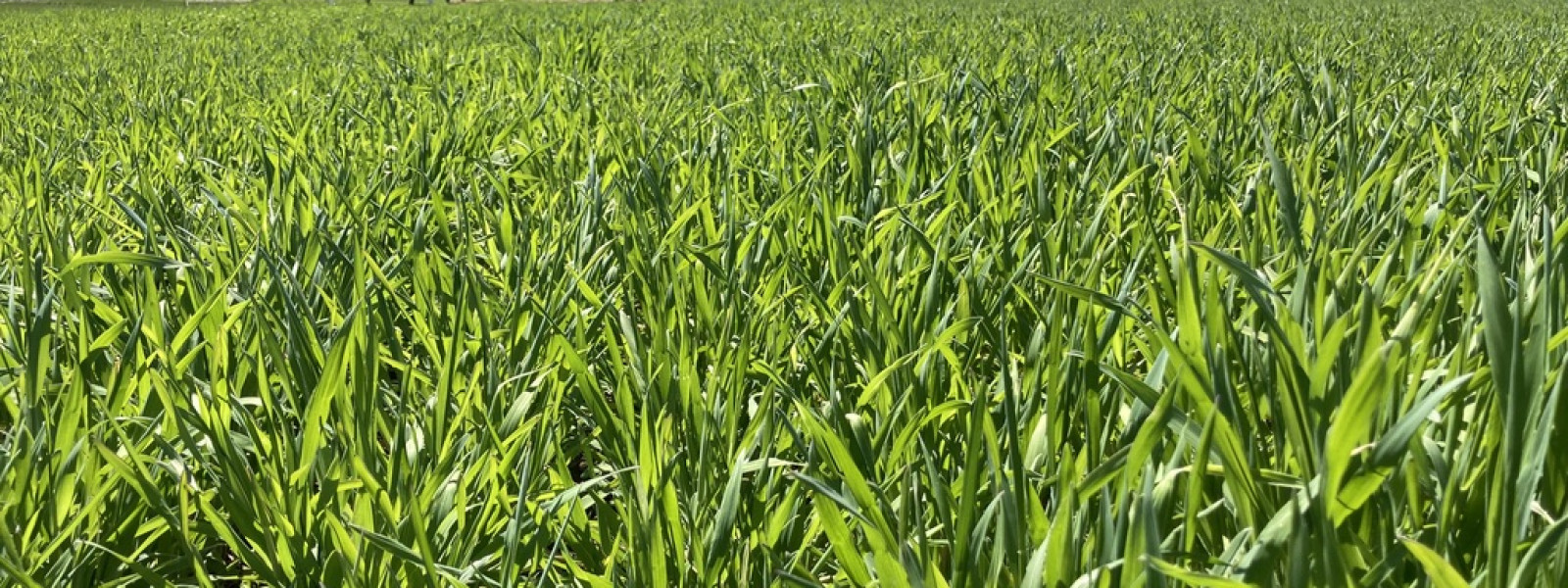
Early in the spring, you may have noticed those brilliantly green fields of rye, planted in the fall as a cover crop to prepare our fields for spring veggie growth. That rye is also part of a research project comparing rye varieties, which will help us understand how to optimize rye cover cropping in a no-till farming system.
Rye is an excellent cover crop – it suppresses weeds, builds soil organic matter, and helps protect soils from erosion. However, rye can present a challenge on farms in regions (like ours) with short growing seasons, and to farmers (like us!) who are working to reduce soil disturbance through tilling.
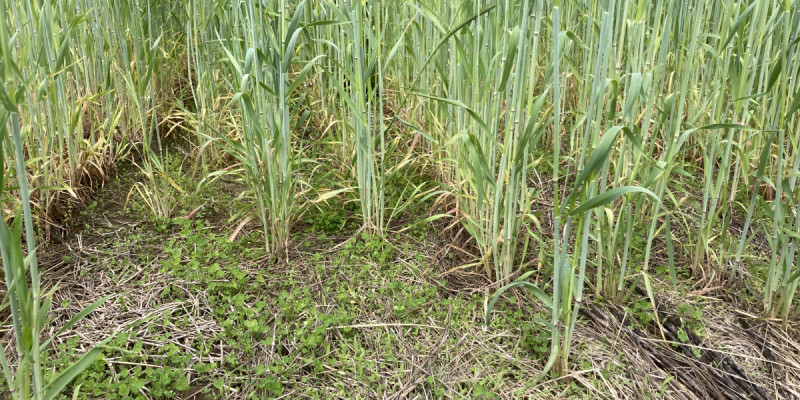
With rye, we terminate (roller-crimp or mow) when we’re ready to plant into that field. The timing of the plant’s development limits how we can use rye in no-till and reduced-till systems. This makes early-maturing rye varieties appealing – if the rye flowers earlier, we can limit tillage for a wider variety of crops. But how does the growth and development of a rye variety marketed as early maturing compare with regular rye?
_800_400_90_s_c1.jpeg)
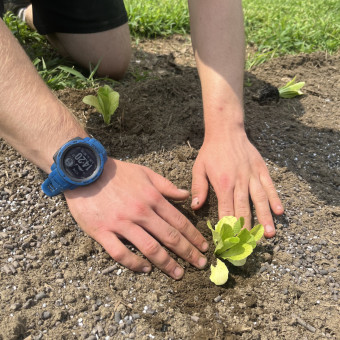
After a spring of measuring plant height and developmental stage over time, our Research Department concluded that the early maturing rye grew higher and faster. It flowered about a week earlier than the regular rye, providing a termination and planting window for some late-spring plantings: in this case, brussels sprouts!
Why does this matter? It indicates that, with the early maturing variety, we can choose no-till methods over tilling, and still plant our crops early enough for a full season of growth.